Batteries EPR scheme: new approvals to strengthen collection and recycling
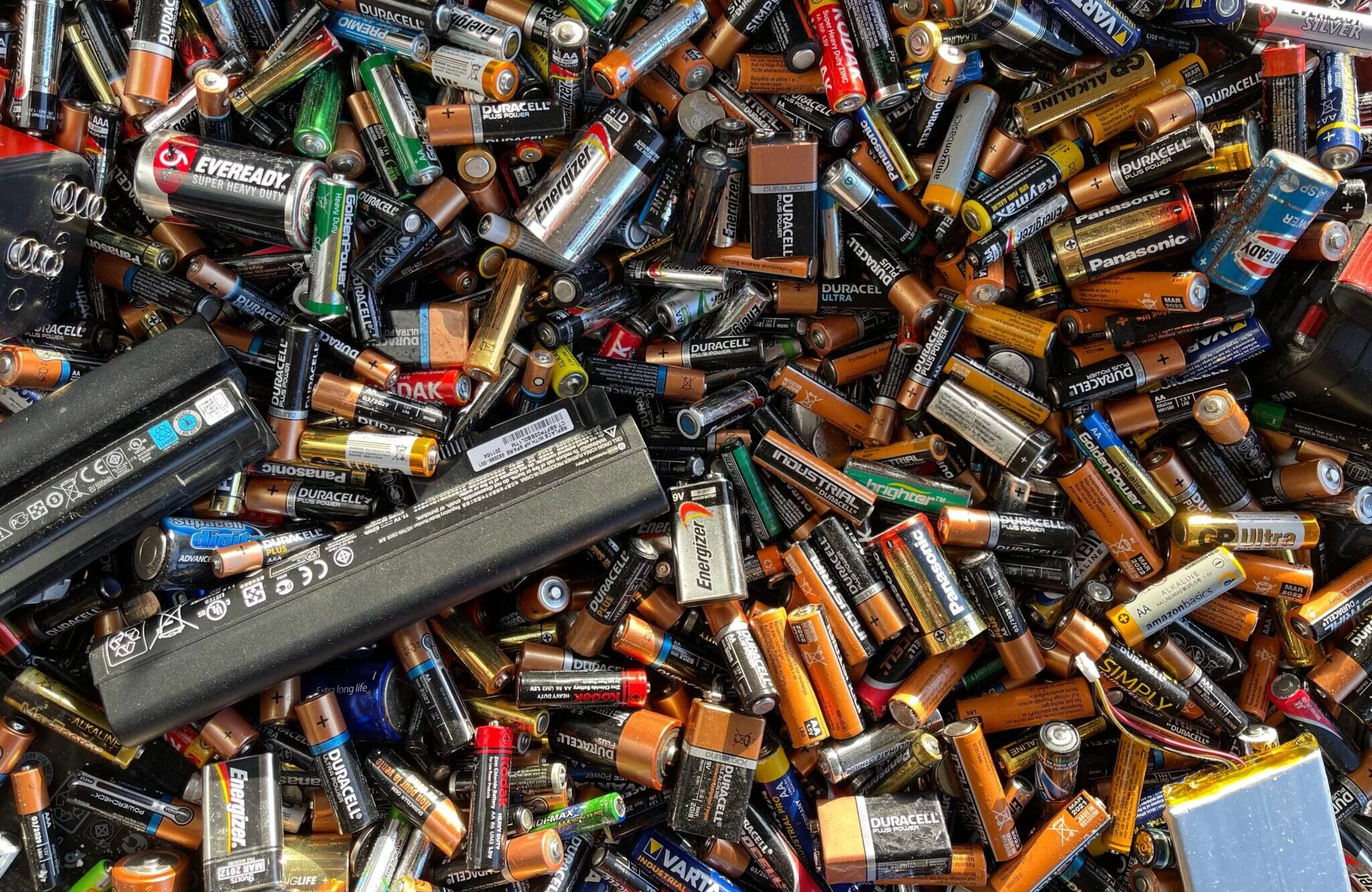
New approvals for the 2025-2031 period
The Ministry for Ecological Transition has officially renewed the approvals of the producer responsibility organisations (PROs) in charge of the batteries and accumulators EPR scheme for the 2025-2031 period. These organisations will be responsible for:
- Organising the collection of used batteries (portable, industrial, vehicle...);
- Financing their treatment and recycling;
- Supporting the development of a competitive French and European industrial sector.
This new step comes against the backdrop of the European "Batteries" directive (2023), which imposes stricter targets for collection rates, recycled content and traceability.
A strategic challenge: capturing used battery volumes
Today, France collects less than half of the portable batteries placed on the market, far from the European targets of 63% by 2027 and 73% by 2030.
The obstacles are well known:
- Difficulty organising collection outside recycling centres;
- Lack of consumer awareness;
- Logistical complexity and high costs for distributors and producers.
For electric vehicle batteries, the issue is even more critical: volumes are surging, and treatment capacity in Europe remains insufficient.
Obligations for producers and distributors
As with other EPR schemes, producers (manufacturers, importers, distributors) fund the scheme through their eco-contributions. In practice, they must:
- Register with an approved producer responsibility organisation (PRO);
- Declare the volumes of batteries placed on the market (by category: portable, industrial, vehicle);
- Pay the corresponding contributions, which fund collection and recycling.
In case of non-compliance, the risks are high: administrative sanctions, formal notice from ADEME (the French environment agency), or even a ban on placing products on the market.
A batteries EPR scheme set to expand
The European reform also introduces new obligations:
- Inclusion of minimum recycled content rate targets in new batteries;
- Enhanced traceability through the "digital battery passport";
- Extended responsibility across the entire life cycle: from design to reuse in a second life.
Companies must therefore anticipate these future requirements now, as they will go well beyond simple volume declarations.
CompliancR: managing your batteries EPR obligations with ease
At CompliancR, we support producers and distributors in managing the batteries EPR scheme, with a platform designed for simplicity and regulatory rigour. New fee scales are expected. As soon as they are officially received from the PRO, CompliancR will integrate them into the platform immediately and make them available to users.
Our AI solution allows you to:
- Automatically identify the products concerned (mobile phones, electronic products, toys, etc.);
- Calculate exact eco-contributions according to current fee scales;
- Anticipate French and European regulatory changes.
As batteries become a pillar of the energy transition, managing your EPR obligations is essential to stay competitive and credible.
Find out how CompliancR helps you turn batteries EPR into a lever for transparency and performance.