Textile recycling: the reuse sector in crisis, EPR under pressure
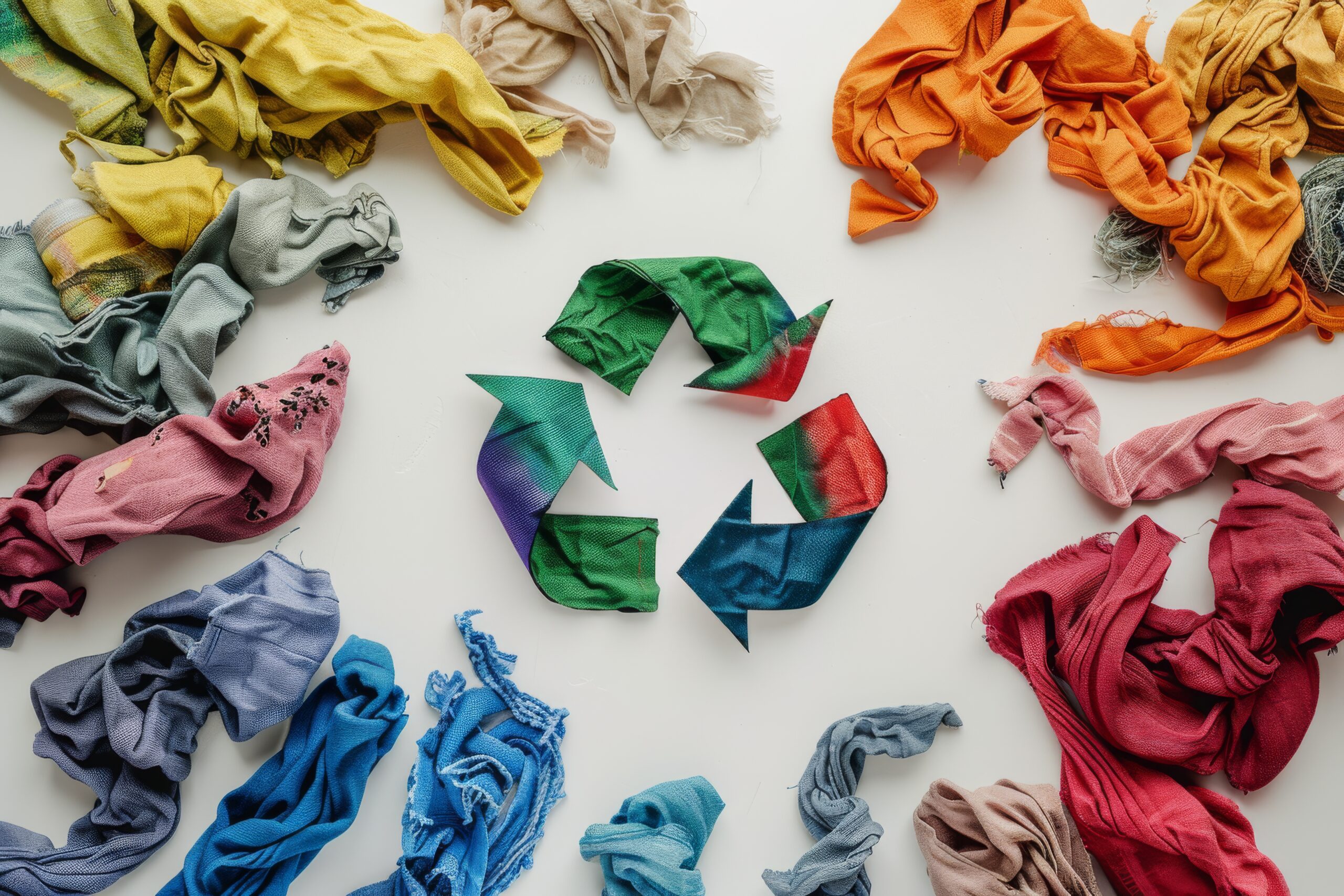
Textile reuse: a model running out of steam
Despite the entry into force of the Textile, Household Linen and Footwear (TLC) EPR scheme in 2022, reuse organisations, often part of the social and solidarity economy, are struggling to keep going. The reasons:
- A collapse in donations, linked to inflation and a decline in sustainable purchasing;
- A saturation of collected volumes, with few viable outlets;
- Eco-contribution modulations seen as unfair or poorly calibrated;
- And a growing financial imbalance, despite the €1 billion announced by Refashion, the producer responsibility organisation (PRO), over the term of its approval.
As a result, several organisations (Emmaüs France, Croix-Rouge, Tissons la Solidarité...) are warning of the risk of site closures, job losses, and the collapse of the circular textile model.
The EPR framework called into question
Ground-level operators point to governance that is too top-down, too disconnected from the realities of collection and sorting. Recurring criticisms concern:
- The lack of transparency in the use of funds collected through eco-contributions;
- Insufficient support at key stages: collection, sorting, repair, recovery;
- The gap between political promises and operational implementation.
The debate is now open on an overhaul of the specifications for the TLC EPR scheme, planned for 2026, with a clear intent to put reuse operators back at the heart of the system.
What this means for brands and producers
If you sell textiles or footwear in France, you are subject to the TLC EPR scheme. This context calls for triple vigilance:
- Know your exact obligations (registration, EPR unique identification number (UIN), volume declarations);
- Master the eco-modulation criteria to avoid unjustified penalties;
- Justify your declarations in case of an ADEME (the French environment agency) inspection or a request for evidence from the PRO.
The current context shows that EPR is no longer just a flat-rate contribution. It is becoming a structural commitment, potentially strategic for brand image.
CompliancR: securing your Textile EPR compliance
At CompliancR, we support textile, retail and social and solidarity economy operators in managing their EPR obligations, with a platform designed for simplicity and regulatory rigour.
Our solution lets you:
- Automatically trace your product data (composition, origin, recycled materials);
- Calculate your eco-contributions according to the current modulation criteria;
- Generate compliant declarations, auditable and adaptable to every change in the scheme;
- Anticipate the adjustments to the 2026 specifications.
In such an unstable context, mastering your EPR obligations becomes a necessity, not an option.
Discover how CompliancR can help you turn this constraint into a structural advantage for your scheme.